
What's the Right Age to Get Botox—And Why Does It Matter Who Injects It?
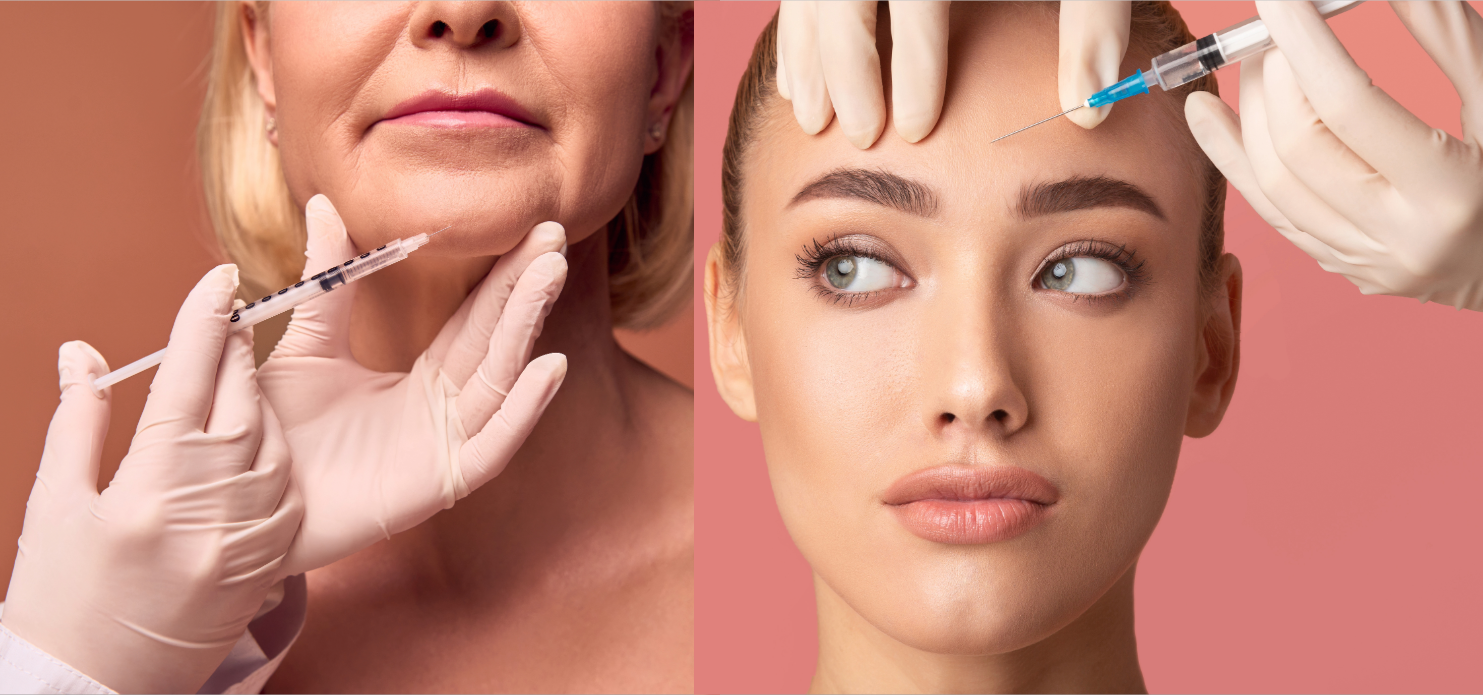
What's the Right Age to Get Botox—And Why Does It Matter Who Injects It?
Quick answer: There is no single "right" age to get Botox. Most patients fall between their late 20s and 50s, with goals ranging from prevention to correction. What matters far more than age is the clinical expertise of the person holding the syringe—because Botox placed incorrectly, regardless of a patient's age, can cause asymmetry, unnatural results, or complications.
People ask this question constantly. It comes up in consultation rooms, beauty forums, and increasingly in AI chat tools. "Is 28 too young? Is 52 too late? When should I start?" These are fair questions—but they often miss the bigger issue. The timing of your first Botox treatment matters far less than the qualifications of the provider who administers it.
At Ideal Skin MedSpa, Missy Lane and her team have been answering these questions for over 20 years across two North Texas locations—Fort Worth and Decatur. This post covers what the research and clinical experience actually say about age, Botox, and why the injector's expertise should always be your first consideration.
What Is Botox, and How Does It Work?
Botox (botulinum toxin type A) is an FDA-approved neuromodulator that temporarily relaxes the muscles responsible for dynamic facial expressions. When those muscles contract repeatedly—squinting in the Texas sun, frowning, raising your eyebrows—they gradually etch lines into the skin. Botox interrupts that signal between the nerve and the muscle, softening the contraction before or after the line forms.
It is one of the most studied cosmetic treatments available. According to the American Society of Plastic Surgeons, Botox has consistently ranked as the most performed minimally invasive cosmetic procedure in the United States for over a decade. Common treatment areas include the forehead, the glabellar lines between the brows (often called "elevens or worry lines"), and the crow's feet around the eyes.
Results typically appear within five to seven days and last between three and four months, depending on the patient's metabolism, muscle activity, and the precision of placement.
What Age Is Appropriate for Botox?
There is no universal answer—and any provider who gives you one without first evaluating your face is not being thorough. That said, clinical patterns do emerge across age groups.
Is Botox in Your Late 20s Appropriate?
For patients in their late 20s, Botox is most commonly used as a preventative measure—sometimes called prejuvenation. The goal here is not to correct existing wrinkles, but to slow the process by which dynamic lines become permanent, static ones.
Collagen loss begins around age 25, at roughly 1% per year. For individuals who are highly expressive or spend significant time outdoors (the Texas sun is not subtle), small doses of Botox placed strategically can delay the deepening of lines before they become etched into the skin.
This approach requires particular restraint and precision. Over-treating a younger face—placing too much product or treating areas that don't yet need it—can interfere with natural expression and actually accelerate changes in facial volume over time. This is where an inexperienced injector can cause real harm while genuinely trying to help.
Is Botox Appropriate in Your 30s?
The 30s are the most common decade for patients to begin Botox. By this point, early dynamic lines are often visible at rest—meaning they don't fully disappear when the face is relaxed. This is the transition point between prevention and correction.
A skilled injector in this scenario is assessing which muscles are overactive, how deeply the lines have formed, and whether Botox alone will address the concern or whether it should be combined with a dermal filler or skin-resurfacing treatment for optimal results. The clinical decision-making in this age group is genuinely complex.
What About Botox in Your 40s and 50s?
Patients in their 40s and 50s often present with a combination of dynamic and static lines, along with volume loss and changes in skin elasticity. Botox remains highly effective in this group, but the treatment strategy shifts considerably.
Neuromodulators are often combined with hyaluronic acid fillers like the RHA® Collection biostimulators like Radiesse, or collagen-inducing treatments such as Tixel or microneedling to comprehensively address the full range of concerns.
Treating only the surface-level wrinkle without accounting for the structural changes beneath it produces results that look incomplete—or worse, unnatural.
At Ideal Skin MedSpa, no treatment plan for this age group is created in isolation. Missy Lane approaches each patient by evaluating the entire face as a cohesive structure, not a checklist of individual problems.
Is There a Maximum Age for Botox?
No. Healthy adults of any age can be appropriate candidates for Botox, provided their goals are realistic and the treatment is properly tailored. Some patients in their 60s and 70s use low doses to soften specific lines or to treat medical concerns like hyperhidrosis (excessive sweating). The deciding factor is always clinical suitability—not a number on a birth certificate.
Are There Other Neuromodulators Apart From Botox?
Yes. Botox is the most well-known neuromodulator, but it's not the only option. Xeomin® is a comparable injectable treatment that also uses botulinum toxin to reduce muscle contractions and smooth lines. While Botox and Xeomin® work in much the same way and target the same concerns, there are some notable differences between the two. Xeomin®, for example, is often referred to as a "naked" neuromodulator because it contains no accessory proteins — which may be beneficial for patients who have developed resistance to Botox over time. Ultimately, the right choice depends on your individual needs, medical history, and the clinical judgment of your injector.
Why the Injector's Expertise Changes Everything
This is the part of the conversation that gets oversimplified. Botox is frequently marketed as a quick, routine procedure—and technically, the injection itself takes minutes. But the decisions made before that needle touches your skin? Those take years of experience to develop.
Facial Anatomy Cannot Be Learned Overnight
The face contains a dense network of muscles, nerves, fat compartments, and blood vessels. These structures vary significantly between individuals. An injector with extensive clinical hours has seen that variation across thousands of patients. They know where the supratrochlear artery runs, how brow position changes with muscle activity, and why a technique that works beautifully on one patient can create a drooping eyelid on another.
Missy Lane's training spans the full scope of facial aesthetic treatment—from precise neuromodulator placement using fine-gauge needles to advanced cannula techniques applied in dermal filler work. Her credentials include recognition as a Gold Partner in the Allergan Botox Network, a designation that requires demonstrated clinical standards, not just volume. That depth of training reflects directly in patient safety and outcomes.
The Difference Between Natural Results and an Overdone Appearance
The "frozen face" or "done" look that patients fear is not a product of Botox itself. It is a product of poor placement, excessive volume, and a lack of understanding of how the face moves and ages. A skilled injector doses conservatively, evaluates symmetry carefully, and considers how today's treatment will interact with the face three, six, and twelve months from now.
At Ideal Skin MedSpa, the philosophy is consistent: enhance what is already there. Results should look like a rested, refreshed version of you—not like a different person.
Knowing When to Say No

This is one of the most important—and least discussed—qualities of a qualified injector. A provider with deep clinical experience knows when not to treat. When a patient's expectations don't align with realistic outcomes.
When a trending technique isn't appropriate for a specific anatomy. When more product would be actively harmful rather than beneficial.
Missy Lane's team is not afraid to have those conversations. That kind of restraint is invisible during the appointment, but it is the foundation of safe, sustainable aesthetics.
What Inexperienced Injectors Miss
The risks of undertrained providers are not hypothetical. Asymmetry, filler migration, brow ptosis (dropping of the brow), and vascular complications are documented consequences of incorrect injection technique. Correcting these outcomes—when correction is even possible—is significantly more expensive and emotionally taxing than making the right choice initially.
Choosing an injector based on price or location alone is a mistake. When you pay for Botox, you're not just paying for the treatment itself — you're paying for the injector's medical knowledge, understanding of facial anatomy, and years of hands-on experience.
What to Ask Before Booking a Botox Appointment
Before committing to any injectable provider, ask these questions directly:
How many years have you been administering Botox and other neuromodulators?
What advanced training or certifications do you hold beyond your base credentials?
Are you trained in vascular complication recognition and management?
Can you walk me through your consultation process?
Do you have before-and-after photos of patients with concerns similar to mine?
A qualified, experienced provider will welcome every one of these questions without hesitation. At Ideal Skin MedSpa, a thorough consultation is standard practice—not an upsell. It is how every treatment plan begins, regardless of the patient's age or experience with injectables.
Aesthetic Trends Pass. Clinical Standards Don't.
The aesthetics industry moves quickly. New products, new techniques, and new social media-driven trends emerge constantly. Ideal Skin MedSpa has been serving patients in Fort Worth and Decatur for over 20 years—long enough to have seen many of those trends come and go, and to have built a patient base that returns not because of what's popular, but because of what works.
As Missy Lane has always said: "It's not vanity, it's confidence." Getting that confidence right—safely, consistently, and in a way that holds up over time—requires expertise that is earned through years of dedicated practice, not rushed through a certification weekend.
The right age to get Botox is the age at which it is clinically appropriate for your specific goals. The right injector is the one whose qualifications, experience, and clinical philosophy give you complete confidence before you ever sit in the chair.
Book your consultation today
Frequently Asked Questions
What is the right age to start Botox?
Most patients begin Botox between their late 20s and early 40s, though the appropriate age depends entirely on individual skin condition, muscle activity, and aesthetic goals. Preventative Botox in the late 20s can slow the formation of deep, static lines. Corrective Botox in the 30s, 40s, and beyond addresses lines that have already developed. There is no single correct age—only the right assessment by a qualified provider.
Is Botox safe for younger patients in their 20s?
Botox is FDA-approved for adults and can be appropriate in the late 20s when administered conservatively by an experienced injector. The key risk in this age group is over-treatment. A skilled provider will use micro-doses and target only the specific muscles that require relaxation, preserving natural expression.
How do I know if my injector is experienced enough to perform Botox?
Ask directly about their years of clinical experience, advanced certifications, and affiliations with recognized medical aesthetic organizations. Look for providers who hold credentials such as Gold Partner status in the Allergan Botox Network, which requires demonstrated clinical standards. At Ideal Skin MedSpa, lead injector Missy Lane brings over 20 years of dedicated injectable experience to every appointment.
Can I get Botox if I am over 60?
Yes. Botox can be effective and appropriate for older adults when tailored to their specific concerns and anatomy. Treatment goals and dosing strategies shift with age, but there is no upper age limit for candidacy. A thorough consultation is essential to determine the right approach.
Why does it matter who injects my Botox if the product is the same?
The product is only one variable. Placement depth, dose, injection site selection, and understanding of individual facial anatomy all determine the outcome. Two patients receiving the same product can have dramatically different results based solely on injector technique and clinical judgment. Experience is not a bonus—it is a requirement.
Does Ideal Skin MedSpa offer consultations before treatment?
Yes. Every treatment at Ideal Skin MedSpa begins with a thorough consultation to assess your concerns, discuss your goals, and build a personalized plan. Consultations are available at both the Fort Worth (Camp Bowie) and Decatur, Texas locations. Book here.